


Can You Access Bank Accounts Before Probate?
Can You Access Bank Accounts Before Probate?
Dealing with a loved one's estate is never straightforward, and the financial side can feel particularly daunting when you need money urgently but probate has not yet been granted. Many families find themselves in a difficult position: bills are coming in, funeral arrangements need to be paid for, and the bank accounts of the person who has died remain frozen.
The good news is that there are several legitimate ways to access funds before probate is formally granted. This guide explains your options clearly, so you can manage the immediate expenses without delay.
If you need guidance specific to your situation, our team at The Probate Bureau is here to help. We support families across Ware, Hertfordshire and the surrounding areas including Hertford, Bishops Stortford, Stevenage, and Harlow.
Why Is It Difficult to Access Funds Before Probate?
When someone dies, their bank accounts and other assets are typically frozen until a grant of probate is issued. This is a legal document that confirms the executor or personal representative has the authority to deal with the deceased person's estate.
Banks, building societies, and other financial institutions are legally required to protect the estate assets until the proper authority is established. This protects beneficiaries and prevents fraud, but it can leave families short of funds at an already stressful time.
The probate process itself can take several months, sometimes longer if the estate is complex or if there is no valid will in place. During this administration period, access to funds is restricted.
If a person dies without a valid will, the individual who takes responsibility for managing the estate is called an administrator, who must apply for letters of administration to gain access to the estate. Under probate law, this is one of the other forms of legal authority available when no will exists, and it carries the same weight as a grant of probate.
What Expenses Need to Be Covered Before Probate?
Before probate is granted, families often face immediate expenses that cannot wait. These commonly include:
- Funeral costs and burial or cremation fees
- Inheritance tax owed to HMRC before the grant of probate can be issued
- Ongoing household bills such as council tax and utilities for the deceased's property
- Legal fees associated with the probate application itself
- Basic costs of maintaining and securing the estate
Probate Fee, Funeral Costs and What to Budget For
It is worth noting that you cannot receive a grant of probate until any inheritance tax due has been paid, which creates a frustrating situation where you need money to pay the tax, but cannot access the estate until the tax is paid.
How to Access Funds Before Probate Is Granted
1. Ask the Bank to Release Funds Directly
Most high street banks and building society providers have a policy to release a limited amount of money from a deceased person's account to cover specific expenses, most commonly funeral costs. You will typically need to provide a death certificate, proof of identity, and an invoice or estimate from the funeral director.
The amount banks will release varies. Some will pay the funeral director directly from the deceased's account, while others may release a set sum. It is always worth contacting the bank as soon as possible to understand their specific process.
2. Use a Joint Account
If the deceased held a joint bank account with a surviving spouse or civil partner, the surviving account holder can usually continue to access funds without waiting for probate. This is because the money belonging to a joint account passes automatically to the surviving account holder under the rules of beneficial joint tenants.
This does not apply to accounts held in the sole name of the person who has died.
3. Claim on Life Insurance Policies
Life insurance policies that are written in trust do not form part of the deceased person's estate and can therefore be paid out without waiting for a grant of probate. If the policy is not written in trust, the insurance company may still release funds relatively quickly, though it will depend on the value and the insurer's internal process.
Contact the insurance company as early as possible and provide the death certificate and policy documents. This can be a faster route to funds than waiting for the full probate process to conclude.
4. Apply for a Probate Loan
A probate loan, sometimes called an inheritance advance, allows beneficiaries or executors to borrow against the expected inheritance before the estate has been distributed. The loan amount is typically based on the estimated value of the estate, and repayment is made once the funds are released.
Unlike personal loans, probate loans do not usually require monthly repayments during the loan term, as the lender recovers the funds directly from the estate. This can make them a practical option when there is enough money in the estate to cover the borrowing, but access is simply delayed by the legal process.
It is important to understand how probate loans work in full before committing, including the interest rates and any conditions attached. Our probate administration team can help you explore whether this is the right option for your circumstances.
5. Pay Inheritance Tax Using the Direct Payment Scheme
One of the most common barriers to obtaining a grant of probate is the requirement to pay inheritance tax before the grant is issued. HMRC's Direct Payment Scheme allows the personal representative to pay inheritance tax directly from the deceased's bank accounts or building society account, without needing a grant of probate first.
This scheme is available through most major banks and building societies, and the financial institution pays HMRC directly on behalf of the estate. It is one of the most straightforward ways to cover inheritance tax when there is enough money in the deceased's accounts to do so.
If you need help navigating this process, get in touch with our team and we can guide you through the steps.
What About National Insurance and Other Financial Affairs?
During the administration period, the personal representative is responsible for managing the deceased's financial affairs. This includes notifying relevant government departments, cancelling benefits, and ensuring that any income received after death is handled correctly.
While the estate accounts are being prepared, it is important to keep clear records of all money coming in and going out. This will be needed when the final estate accounts are drawn up and presented to the beneficiaries.
Frequently Asked Questions
Can I access funds before probate if I am the executor?
As the executor named in a valid will, you have authority to begin dealing with the estate but most banks will still require a grant of probate before releasing the main funds. However, you can typically arrange for funeral costs to be paid directly from the deceased's account and use the Direct Payment Scheme to cover inheritance tax. For larger sums, you will generally need to wait for the grant to be issued.
How long does it take to get a grant of probate?
The probate registry typically processes applications within eight to twelve weeks, though this can vary depending on case complexity and current demand. If inheritance tax is due, HMRC must confirm payment before the grant can be issued, which can add time to the process. Working with an experienced probate team can help avoid unnecessary delays.
Can beneficiaries access funds before probate is granted?
Beneficiaries cannot directly access estate assets before probate is granted. Only the personal representative—the executor or administrator—has authority to deal with the estate during this period. If early access to inheritance funds is needed, a probate loan may be an option worth exploring.
Getting the Right Support
Dealing with a deceased person's estate is a significant responsibility, and the financial aspects can be particularly complex. From paying funeral expenses to handling inheritance tax and applying for the grant of probate, there are many steps involved and getting them right matters.
At The Probate Bureau, we help families across Ware, Hertfordshire manage every stage of the process. Whether you need help understanding how to access funds before probate is granted, or you want full support throughout the estate administration, we are here to make things as straightforward as possible.
Find out more about our probate administration services or learn more about our team and how we work.
Ready to get started?
Contact The Probate Bureau today for clear, professional guidance on accessing funds and managing an estate. Visit our homepage or get in touch with our team in Ware, Hertfordshire; we are here to help.
Back To BlogShare This Post


Recent posts
- What Documents Do You Need for Probate? By Probate Bureau , 26/05/2026
- Can You Access Bank Accounts Before Probate? By Probate Bereau , 26/05/2026
- Do You Need Probate to Sell a House in the UK? By Probate Bereau , 26/05/2026
2015 Archive
2016 Archive
2018 Archive
2019 Archive
2020 Archive
2023 Archive
- July 10 posts
0 Archive
- December 1 posts
Blog Categories
Find your way through the probate maze
Click here to follow our step-by–step probate process guide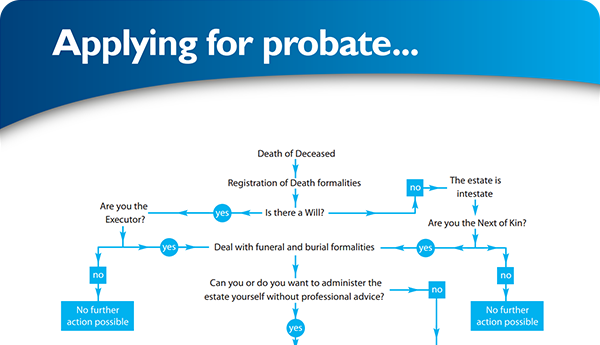
Testimonials
Excellent service, everything went very smoothly. Like to thank Ann and her team.... read more
Good & Reliable service, always kept up to date with what was happening. Value for money.... read more
Latest Tweet
Follow @ProbateBureau


Contact Us
0800 028 2837 info@probatebureau.comTHE PROBATE BUREAU
3 Crane Mead Business Park
Crane Mead
Ware
Hertfordshire
SG12 9PZ
×